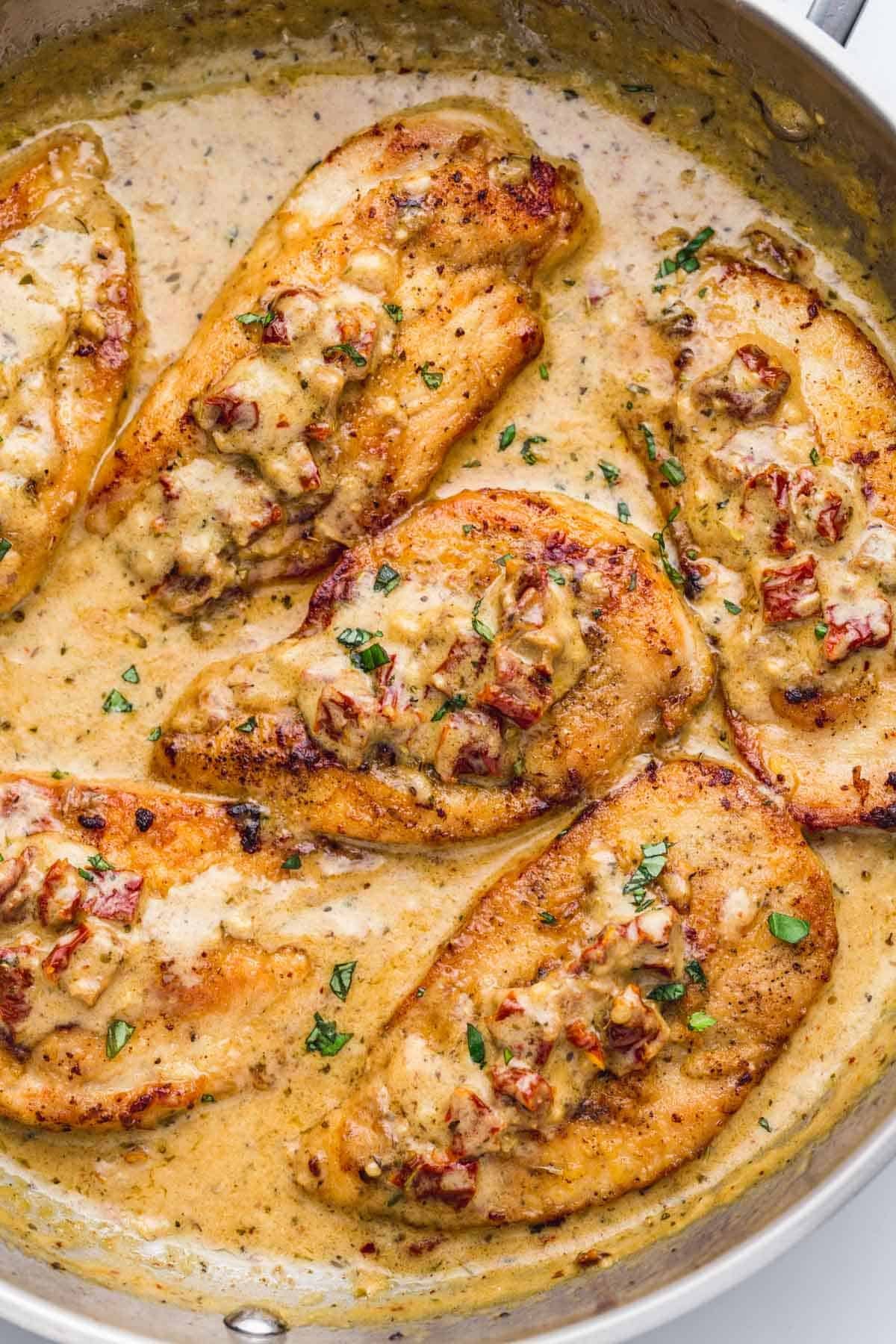
Ever wonder why some chicken dishes become global sensations? It's more than just flavor; it's about the story, the technique, and the cultural connection. This isn't just a recipe collection; it's a passport to experiencing chicken dishes that have captured hearts (and stomachs) worldwide.
At a Glance:
- Discover the stories behind iconic chicken dishes like Chicken Tikka Masala and Hainanese Chicken Rice.
- Understand the key ingredients and techniques that make these dishes unique.
- Learn how to adapt these recipes to your own kitchen and preferences.
- Identify potential pitfalls when recreating international flavors and how to avoid them.
- Gain a deeper appreciation for the cultural significance of these culinary staples.
Why These Chicken Dishes Became Famous
So many factors contribute to a chicken dish achieving worldwide fame. It can be the perfect blend of spices (think Chicken Tikka Masala), the simplicity of execution combined with incredible flavor (hello, Hainanese Chicken Rice), or the adaptation of a traditional recipe to suit different palates. These famous chicken dishes offer comfort, cultural immersion, and, of course, deliciousness. Explore global chicken recipes.
Chicken Tikka Masala: A British-Indian Love Story
Often considered a national dish of Britain, Chicken Tikka Masala's origin is surprisingly debated. One popular story states that it was created in Glasgow when a chef adapted a chicken tikka dish to suit a customer's preference for a creamy sauce. Regardless of its exact origins, this dish is a fantastic example of culinary fusion.
Decoding the Flavor Profile
The magic lies in the combination of smoky, marinated chicken and a rich, tomato-based sauce. Key ingredients include:
- Chicken Tikka: Boneless, skinless chicken marinated in yogurt and spices (garam masala, ginger, garlic, chili powder) and then grilled or baked.
- Masala Sauce: A creamy tomato-based sauce flavored with onions, garlic, ginger, turmeric, coriander, and sometimes cream or coconut milk.
Recreating the Authentic Taste
- Marinating Matters: Don't skimp on the marinating time. At least 4 hours, preferably overnight, will allow the flavors to penetrate the chicken.
- Spice Level Control: Adjust the chili powder to your preference. Start with a small amount and add more as needed.
- Creamy Dreamy: The cream or coconut milk adds richness and balances the acidity of the tomatoes. Use full-fat for the best flavor.
Potential Pitfalls: Avoiding Common Mistakes
- Dry Chicken: Overcooking the chicken is a common mistake. Use a meat thermometer to ensure it's cooked through but still juicy (165°F or 74°C).
- Bland Sauce: The sauce should be flavorful and well-balanced. Taste as you go and adjust the spices accordingly.
- Too Acidic: If the sauce is too acidic, add a pinch of sugar or a dollop of yogurt to balance the flavors.
Hainanese Chicken Rice: Simplicity at Its Finest
Hainanese Chicken Rice, originating from the Hainan province of China, is a deceptively simple dish that relies on impeccable technique. The focus is on perfectly cooked chicken and fragrant rice, both infused with the essence of chicken broth.
The Art of Poaching
The key to Hainanese Chicken Rice is poaching the chicken so it remains unbelievably tender and juicy.
- Gentle Simmer: Bring a pot of water (enough to cover the chicken) to a boil, then reduce the heat to a gentle simmer.
- Aromatic Broth: Add ginger, garlic, and scallions to the poaching liquid for extra flavor.
- Ice Bath Secret: After poaching, immediately plunge the chicken into an ice bath. This stops the cooking process and helps to keep the skin smooth and plump.
The Fragrant Rice Revelation
The rice is cooked in the same chicken broth used for poaching, absorbing all the delicious flavors.
- Quality Rice Matters: Use long-grain rice for the best texture.
- Ratio is Key: The correct rice-to-broth ratio is crucial for perfectly cooked rice. Follow the recipe instructions carefully.
- Ginger-Garlic Boost: Sauté minced ginger and garlic in the chicken fat before adding the rice and broth for an extra layer of flavor.
Potential Pitfalls: Mastering the Fundamentals
- Overcooked Chicken: Overcooking will result in dry, tough chicken. Use a meat thermometer and follow the poaching time carefully.
- Mushy Rice: Using too much broth or overcooking the rice will result in a mushy texture.
- Lack of Flavor: The chicken broth is the foundation of the flavor. Use a high-quality broth, or make your own for the best results.
Comparing Chicken Tikka Masala and Hainanese Chicken Rice
| Feature | Chicken Tikka Masala | Hainanese Chicken Rice |
|---|---|---|
| Origin | British-Indian (Debated) | Hainan Province, China |
| Flavor Profile | Rich, creamy, tomato-based, spicy | Simple, fragrant, savory, chicken-forward |
| Cooking Technique | Grilling/Baking (Tikka), Simmering (Sauce) | Poaching (Chicken), Cooking in Broth (Rice) |
| Key Ingredients | Chicken, Yogurt, Garam Masala, Tomatoes, Cream | Chicken, Rice, Ginger, Garlic, Scallions, Chicken Broth |
| Complexity | Moderate | Moderate |
Practical Playbook: Adapting Famous Chicken Dishes to Your Kitchen
Here’s a quick guide to making these recipes work for you:
- Ingredient Sourcing: Don’t be afraid to substitute. If you can't find a specific spice, research a suitable alternative.
- Spice Level Adjustment: Start with less spice and add more to taste. Remember, you can always add more, but you can't take it away!
- Dietary Modifications: Easily adapt to dietary restrictions. Use coconut milk instead of cream for a dairy-free Chicken Tikka Masala.
- Time Management: Many of these dishes can be prepped in advance. Marinate the chicken overnight or make the sauce ahead of time.
- Embrace Imperfection: Don't strive for perfection on your first try. Cooking is a learning process.
Quick Answers: Common Questions About These Famous Chicken Dishes
Q: Can I grill the chicken for Chicken Tikka Masala instead of baking?
A: Absolutely! Grilling will add a smoky flavor that enhances the dish. Just be sure to monitor the chicken closely to prevent it from drying out.
Q: What's the best way to reheat Hainanese Chicken Rice without drying it out?
A: The key is to add a little moisture. Steam the rice or add a splash of chicken broth when reheating. For the chicken, gently warm it in a pan with a little broth or sauce.
Q: I don't have a traditional tandoor oven. Can I still make authentic Chicken Tikka Masala?
A: Yes! You can achieve similar results by using a hot grill or baking the chicken at a high temperature (400°F or 200°C).
Q: How can I make Hainanese Chicken Rice vegetarian?
A: While the core of Hainanese Chicken Rice relies on chicken, you can create a flavorful vegetarian version. Substitute the chicken with tofu or mushrooms, and use a vegetable broth instead of chicken broth. Focus on layering flavors with ginger, garlic, and scallions.
Actionable Close
Don't just read about these famous chicken dishes – create them! Choose one, gather your ingredients, and start cooking. Experiment, adapt, and most importantly, enjoy the culinary journey. You might just discover your new favorite dish.
