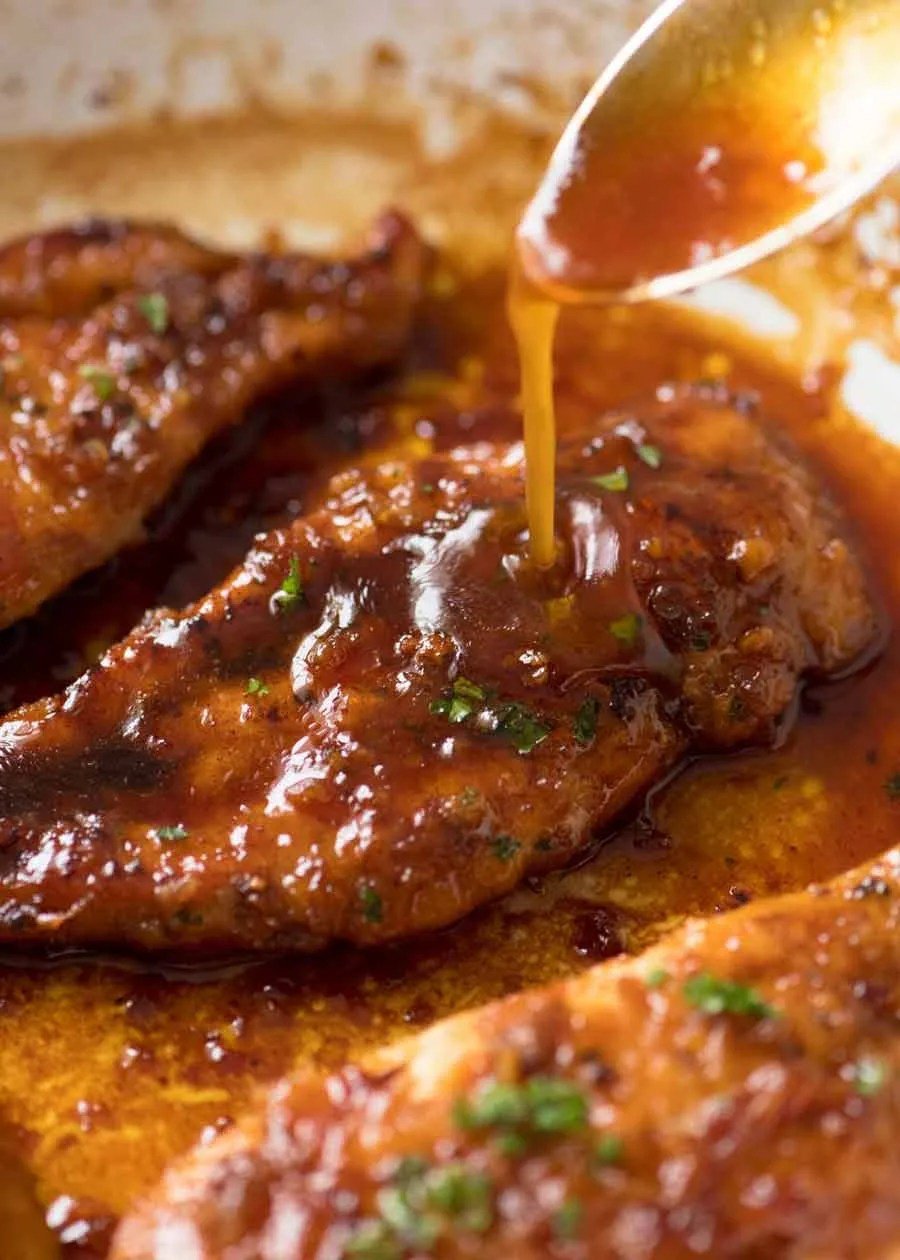
That tempting, sticky glaze that makes your mouth water? That's the magic of honey garlic sauce for chicken. But getting it just right can be tricky. Too sweet? Too thin? We'll break down the key ingredients, techniques, and tweaks to ensure your honey garlic chicken is a weeknight winner, every single time.
At a glance:
- Learn the essential ratios for a perfectly balanced honey garlic sauce.
- Master the art of thickening the sauce for that signature glaze.
- Discover pro tips for customizing the sauce to your exact taste.
- Troubleshoot common problems, like a sauce that's too sweet or not sticky enough.
- Explore variations to spice up your honey garlic chicken routine.
The Anatomy of a Great Honey Garlic Sauce
A truly exceptional honey garlic sauce for chicken isn't just about dumping ingredients into a pan. It's about understanding how each element contributes to the final flavor profile and texture. Think of it as a balancing act: sweetness, savoriness, acidity, and aromatics all playing crucial roles.
The Core Four:
- Honey: Provides sweetness and contributes to the glossy, sticky texture. Use raw honey for a more complex flavor.
- Garlic: The pungent backbone of the sauce. Freshly minced garlic is best, but garlic powder can work in a pinch (use about 2 teaspoons).
- Soy Sauce: Adds saltiness, umami, and depth. Low-sodium soy sauce is recommended to control the overall salt level.
- Acid (Vinegar): Cuts through the sweetness and adds balance. Rice vinegar or apple cider vinegar are excellent choices.
Beyond the Basics: Flavor Enhancers
While the core four provide the foundation, these additions elevate the sauce to the next level:
- Ginger: Adds warmth and complexity. Freshly grated ginger is preferable, but ground ginger can be substituted (use about ½ teaspoon).
- Red Pepper Flakes: A touch of heat to balance the sweetness. Adjust the amount to your spice preference.
- Sesame Oil (Optional): A drizzle of sesame oil at the end adds a nutty aroma and richness.
- Chicken Broth / Stock (Optional): Can be added to thin the sauce slightly or increase the volume.
Building Your Perfect Sauce: The Recipe
Here’s a foundational recipe, easily customizable to your personal tastes:
Ingredients:
- ¼ cup honey
- ¼ cup low-sodium soy sauce
- 5-6 cloves garlic, minced
- 2 tablespoons rice vinegar (or apple cider vinegar)
- 1 teaspoon ginger, freshly grated (optional)
- ¼ teaspoon red pepper flakes (optional)
- 2 teaspoons cornstarch (optional, for thickening)
- ¼ cup water (for cornstarch slurry)
Instructions:
- Combine: In a small bowl, whisk together the honey, soy sauce, vinegar, garlic, ginger (if using), and red pepper flakes (if using).
- Thicken (Optional): In a separate small bowl, whisk together the cornstarch and water to create a slurry.
- Simmer: In the same skillet used to sear the chicken, pour in the sauce mixture. Bring to a simmer over medium heat.
- Thicken (If desired): If using, slowly pour in the cornstarch slurry while stirring constantly. Continue stirring until the sauce thickens to your desired consistency (about 1-2 minutes).
- Coat: Return the cooked chicken to the skillet and toss to coat evenly in the sauce.
Pro Tip: Taste the sauce before adding the chicken and adjust the seasonings as needed. Add more honey for sweetness, soy sauce for saltiness, or vinegar for tang.
Mastering the Glaze: Achieving the Perfect Texture
That signature glossy glaze is what makes honey garlic chicken so irresistible. Here's how to achieve it:
- Cornstarch is Key (Usually): The cornstarch slurry is the most common way to thicken the sauce. It creates a smooth, even glaze.
- Reduce, Reduce, Reduce (No Cornstarch): Alternatively, you can skip the cornstarch and simply simmer the sauce for a longer period, allowing it to reduce and thicken naturally. This method results in a more concentrated flavor, but requires careful monitoring to prevent burning.
- Low and Slow: After coating the chicken in the sauce, reduce the heat to low and simmer gently. This allows the sauce to cling to the chicken and caramelize without burning.
- The "Nappe" Test: To check for proper thickness, dip a spoon into the sauce and then run your finger across the back of the spoon. If the sauce coats the spoon and doesn't immediately run back together, it's thick enough.
Trouble-Shooting Common Sauce Problems
Sometimes, even with the best intentions, things don't go quite as planned. Here are some common issues and how to fix them:
- Sauce is Too Sweet: Add more soy sauce, vinegar, or a pinch of red pepper flakes to balance the sweetness. A squeeze of lemon juice can also help.
- Sauce is Too Salty: Add a splash of water or chicken broth to dilute the saltiness. A touch of honey can also help to offset the salt.
- Sauce is Too Thin: Add the cornstarch slurry (2 teaspoons cornstarch + ¼ cup water) and simmer until thickened. Alternatively, continue simmering the sauce to reduce the liquid.
- Sauce is Too Thick: Add a splash of water or chicken broth to thin the sauce.
- Sauce is Burning: Reduce the heat immediately! Transfer the sauce to a clean pan if necessary. Monitor closely and stir frequently to prevent further burning.
Customizing Your Honey Garlic Sauce: Flavor Variations
The beauty of honey garlic sauce is its versatility. Here are a few ideas to spice things up:
- Spicy Honey Garlic: Increase the amount of red pepper flakes, or add a dash of your favorite hot sauce (Sriracha, chili garlic sauce).
- Sesame Honey Garlic: Add a tablespoon of sesame oil to the sauce, and garnish with sesame seeds.
- Lemon Honey Garlic: Add the zest and juice of one lemon to the sauce for a bright, citrusy flavor.
- Bourbon Honey Garlic: Add a tablespoon or two of bourbon to the sauce for a rich, smoky flavor.
Example Scenario: Let’s say you’re aiming for a spicy kick. Start with the basic recipe and add ½ teaspoon of red pepper flakes. Taste. If it’s not spicy enough, add a dash of Sriracha. Remember, you can always add more, but you can't take it away!
Quick Answers: Honey Garlic Sauce FAQs
- Can I make honey garlic sauce ahead of time? Absolutely! The sauce can be prepared and stored in an airtight container in the refrigerator for up to 3 days. Reheat gently before using.
- Can I use garlic powder instead of fresh garlic? Yes, but the flavor won't be as intense. Use about 2 teaspoons of garlic powder.
- Can I use a different type of vinegar? Yes, apple cider vinegar, white wine vinegar, or even balsamic vinegar can be used, but they will each impart a slightly different flavor.
- How do I store leftover honey garlic chicken? Store leftovers in an airtight container in the refrigerator for up to 3-4 days.
- Is honey garlic sauce gluten-free? No, standard soy sauce contains wheat. Use tamari, a gluten-free soy sauce alternative, to make the sauce gluten-free.
A Practical Playbook: Honey Garlic Chicken Success
Here's a quick start guide to get you cooking tonight:
- Prep Your Ingredients: Mince the garlic, grate the ginger (if using), and measure out the other ingredients.
- Sear the Chicken: Heat olive oil (or vegetable oil) in a large skillet over medium-high heat. Sear the chicken breasts or thighs for 4-5 minutes per side, until golden brown.
- Make the Sauce: Combine the sauce ingredients in a bowl. Pour into the skillet (after removing the chicken temporarily). Simmer and thicken if desired.
- Combine and Cook: Return the chicken to the skillet and coat with the sauce. Cover and cook for 5-7 minutes, or until the chicken is cooked through (internal temperature of 165°F/74°C).
- Garnish and Serve: Garnish with sesame seeds and green onions. Serve over rice, noodles, or vegetables. For a broader recipe context, Try our honey garlic chicken!
That’s it! With these tips and techniques, you’re well on your way to creating perfect honey garlic sauce for chicken that your family will love.
Takeaway
Mastering honey garlic sauce for chicken is about understanding flavor balance and texture control. By experimenting with ingredients and techniques, you can create a sauce that perfectly suits your taste preferences. Don't be afraid to adjust the recipe to your liking – the most important thing is to have fun and enjoy the process!
