For the bigger picture and full context, make sure you read our main guide on Tastiest Chicken Dishes: Recipes from Around the World.
markdown
The quest for the tastiest chicken dish often leads down unexpected paths, revealing a world of culinary traditions and flavor combinations. From the smoky grills of Jamaica to the creamy sauces of India, chicken, a humble ingredient, transforms into a global superstar.
At a glance:
- Discover how marinades and spice blends unlock maximum flavor in chicken dishes.
- Explore regional variations like Jamaican Jerk Chicken, Filipino Adobo, and Korean Fried Chicken.
- Learn the secrets to achieving perfectly cooked chicken with tender meat and crispy skin.
- Understand the importance of ingredient quality and cooking techniques.
- Get practical tips for experimenting with your own signature chicken recipes.
Unlocking Flavor: The Power of Marinades and Spice Blends
What truly elevates a chicken dish from ordinary to extraordinary is often the marinade or spice blend. These flavorful concoctions not only infuse the meat with deliciousness but also tenderize it, resulting in a more enjoyable eating experience. Consider the vibrant flavors of Jamaican Jerk Chicken, marinated in a fiery blend of scotch bonnet peppers, allspice, thyme, and other spices. This complex marinade is what gives jerk chicken its signature smoky and spicy taste.
Marinades generally include three key components: acid, oil, and aromatics. The acid, such as citrus juice or vinegar, helps to break down the proteins in the chicken, making it more tender. The oil helps to carry the flavors of the aromatics into the meat. And the aromatics, such as herbs, spices, and garlic, provide the flavor. The longer the chicken marinates, the more flavorful it will become, ideally for at least 30 minutes with overnight marinating yielding the best results.
Global Chicken Delights: A Flavorful Journey
The world offers an abundance of tantalizing chicken dishes, each reflecting the unique culinary traditions of its region. Here are a few examples:
- Chicken Tikka Masala (India): Packed with delicious spices, tender chicken pairs with a creamy tomato-based sauce. Serve with white rice or naan.
- Hainanese Chicken Rice (Singapore/Malaysia): Poached chicken served with rice cooked in savory chicken broth.
- Coq au Vin (France): Braised chicken cooked in red wine with mushrooms, onions, and bacon (lardons).
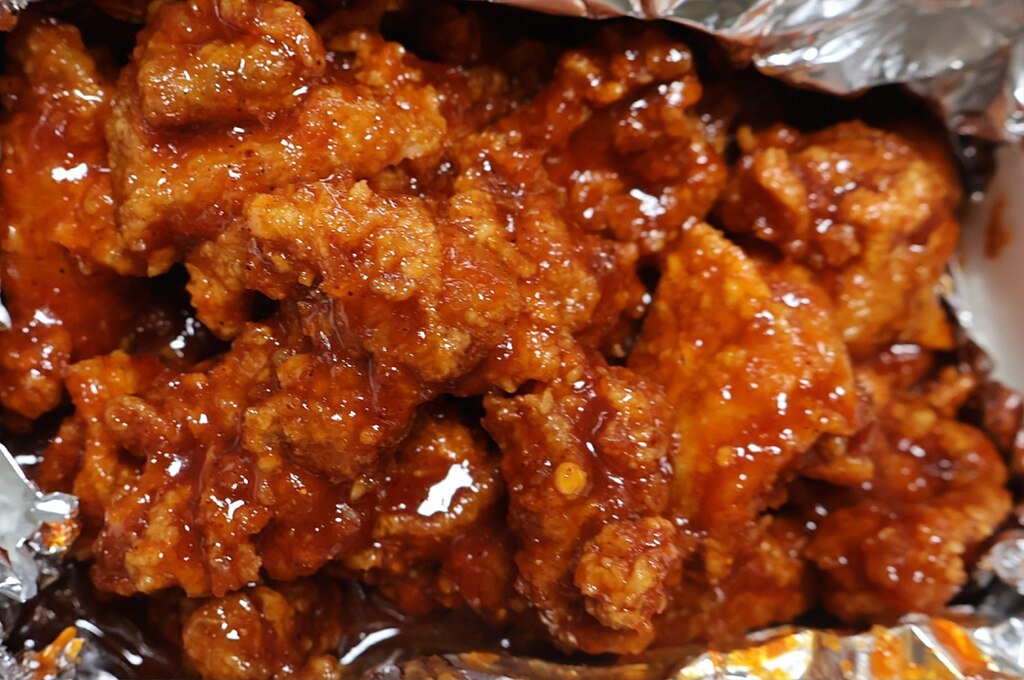
- Korean Fried Chicken (South Korea): Double-fried chicken with a crispy exterior and flavorful sauces like gochujang, soy garlic, or honey butter.
- Lemon Herb Roasted Chicken (Mediterranean): Infused with bright citrus and fragrant herbs, roasted until golden and crispy.
- Butter Chicken (India): Creamy tomato-based sauce enriched with butter and spices.
- Chicken Adobo (Philippines): Simmered in soy sauce, vinegar, garlic, peppercorns, and bay leaves until tender.
- Jerk Chicken (Jamaica): Marinated in scotch bonnet peppers, allspice, thyme, and grilled over pimento wood.
- Yakitori (Japan): Grilled chicken skewers seasoned with tare sauce, a sweet and savory soy-based glaze.
- Thai Green Curry with Chicken (Gaeng Keow Wan Gai) (Thailand): Flavorful curry made with green curry paste, coconut milk, bamboo shoots, and Thai basil.
Perfectly Cooked Chicken: Achieving Tenderness and Crispiness
Even the tastiest marinade can't save a poorly cooked chicken. Achieving the right balance of tenderness and crispiness is crucial. Here are a few tips:
- Use a meat thermometer: This is the most reliable way to ensure that the chicken is cooked to the correct internal temperature. Chicken breasts should be cooked to 165°F (74°C), while chicken thighs should be cooked to 175°F (79°C).
- Sear the chicken: Searing chicken before braising or roasting enhances its flavor. Use high heat and a small amount of oil to create a flavorful crust that seals in the juices.
- Don't overcrowd the pan: When searing or frying chicken, avoid overcrowding the pan. This will lower the temperature of the oil and prevent the chicken from browning properly.
- Let the chicken rest: After cooking, let the chicken rest for 10-15 minutes before carving. This allows the juices to redistribute, resulting in a more tender and flavorful dish.
Ingredient Quality: The Foundation of Flavor
The quality of ingredients plays a significant role in the overall taste of the dish. Fresh, high-quality chicken will always taste better than frozen or processed chicken. Similarly, using fresh herbs and spices will result in a more vibrant and flavorful dish.
Consider the difference between using dried oregano and fresh oregano in a lemon herb roasted chicken. The fresh oregano will impart a much more intense and aromatic flavor than the dried oregano. Farmers' markets and local butchers are great resources for sourcing high-quality ingredients.
Cooking Techniques: Mastering the Art of Chicken
Different cooking techniques impact the flavor and texture of chicken. Braising, roasting, grilling, frying, and sous vide all offer unique advantages.
- Braising: Slowly cooking chicken in liquid results in incredibly tender meat. Coq au Vin is a classic example of braised chicken.
- Roasting: Roasting allows the skin to become golden and crispy while the meat remains juicy and tender. A lemon herb roasted chicken exemplifies this technique.
- Grilling: Grilling imparts a smoky flavor that is perfect for dishes like Jerk Chicken.
- Frying: Frying creates a crispy exterior that is irresistible. Korean Fried Chicken has taken the world by storm because of its signature crunch.
- Sous vide: Sous vide cooking allows for precise temperature control, resulting in perfectly cooked, tender, and juicy chicken. Explore global chicken recipes for more inspiration.
Practical Playbook: Crafting Your Signature Chicken Dish
Ready to create your own tastiest chicken masterpiece? Here's a step-by-step guide:
- Choose your cooking method: Will you braise, roast, grill, fry, or sous vide?
- Select your flavors: What region or cuisine inspires you? Consider Indian spices, Caribbean jerk seasoning, or Mediterranean herbs.
- Create your marinade or spice blend: Experiment with different combinations of acids, oils, aromatics, herbs, and spices.
- Marinate the chicken: Marinate for at least 30 minutes, or overnight for maximum flavor.
- Cook the chicken: Use a meat thermometer to ensure it's cooked to the correct internal temperature.
- Let the chicken rest: Allow the chicken to rest for 10-15 minutes before carving.
- Serve and enjoy: Pair your chicken with complementary sides and sauces.
Quick Answers: Common Questions About Tastiest Chicken
Q: How can I prevent chicken from drying out?
A: Overcooking is the main culprit. Always use a meat thermometer to ensure the chicken is cooked to the correct internal temperature. Marinating also helps to keep the chicken moist.
Q: What's the best way to get crispy chicken skin?
A: Pat the chicken skin dry before cooking. Roasting at a high temperature (400°F or higher) will also help to crisp up the skin. You can also try broiling the chicken for the last few minutes of cooking.
Q: Can I use boneless, skinless chicken breasts in these recipes?
A: Yes, but keep in mind that boneless, skinless chicken breasts tend to dry out more easily. Reduce the cooking time and consider using a marinade to keep them moist. Chicken thighs are a more forgiving option, as they are naturally more moist and flavorful.
Q: How long can I marinate chicken?
A: You can marinate chicken for up to 24 hours in the refrigerator. However, be careful not to marinate for too long, as the acid in the marinade can start to break down the proteins in the chicken and make it mushy.
From Inspiration to Plate: Your Chicken Adventure Starts Now
Creating the tastiest chicken dish is a journey of exploration and experimentation. By understanding the fundamentals of flavor pairing, cooking techniques, and ingredient quality, you can unlock your creativity and craft truly exceptional meals. Don’t be afraid to try new things, explore different cuisines, and develop your own signature recipes. The next culinary masterpiece awaits!
